
Independent China procurement

Toyo Tires | Passenger & Commercial Tire Sourcing

Send your sizes, load and speed ratings, and destination. We help B2B buyers compare supplier quotations against the same brief.

01 / Catalog

Start with the tire application

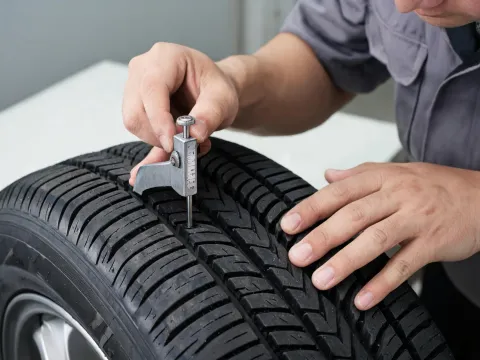
Unbranded radial tire on a neutral sample stand

Passenger & Commercial Tires

For passenger and fleet replenishment, build one line per size and service description. A brief such as 225/45R18 95W is an example of input format. Confirm reinforcement marking, tread preference, required labels and quantity separately.

View tire sourcing catalog
Passenger and SUV

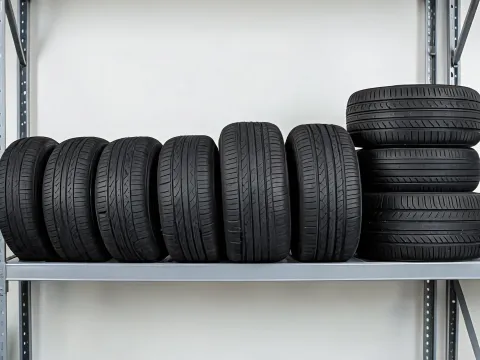
List replacement sizes, season and any sidewall marking you require.

Light truck

State the vehicle duty, load range and expected road surface.

Bus and heavy truck

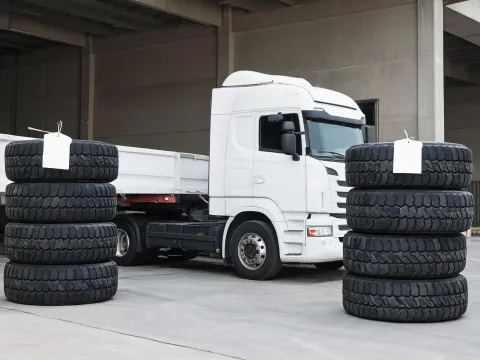
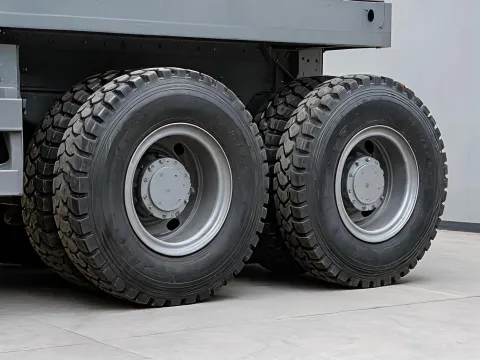
Separate steer, drive and trailer positions in the RFQ.

02 / Specification intake

What to put in your size list

Sidewall designationRecord the complete size, load index and speed rating from the specification or legible sidewall photo.
ApplicationGive vehicle and axle position. If wheels are included, send rim width, diameter, PCD, offset, center bore and load rating.
Duty cycleSeparate urban, highway and mixed-surface routes. For commercial tires, specify single or dual installation.
Tread prioritiesRank wet grip, wear life and rolling resistance for the route. Compare data produced under equivalent test conditions.
DestinationGive the sales market, destination port and preferred Incoterm with its named place.
Quantity splitEnter units by size and tread. Ask each supplier to identify order minimums and quote validity at the SKU level.

03 / Sourcing sequence

From brief to shipment

01

Clarify

Separate fixed fitment and market requirements from preferences suppliers can propose alternatives for.

02

Compare

Put quantities, packing units, currencies and named Incoterm points on a common quote sheet.

03

Verify

Match sample markings and document identifiers to the quoted size and model before buyer sign-off.

04

Coordinate

Reconcile the packing list against approved SKU quantities. The supplier and forwarder confirm release and carriage.

04 / Buying programs

Match the brief to the buyer

  • Spec sheetBuyer-approved inputs
  • Quote matrixSupplier terms by line
  • Sample recordMarking and model match
  • Dispatch fileCarton and quantity checks

05 / Before ordering

Questions buyers ask

Can I combine sizes in one shipment?

Send quantities by SKU and packing format. We compare a consolidated order with separate supplier lots, including handling and how rejected lines affect the load plan.

How do I compare a stock and a custom offer?

Ask for the existing SKU and label in the stock offer. A custom offer should separate sample approval, tooling or artwork where relevant, and the production release point. Confirm availability and timing on the actual quotation.

Does a supplier system certificate cover my tire?

A system certificate describes a named organization and scope. Check product evidence against the exact tire model, size family and sales market before accepting an offer.

What if a supplier proposes a different service description?

Record the difference as an exception. Have the buyer's fitment reviewer check load, speed rating and intended use before the alternate enters the comparison.

Send your first size list

Start with the application and your must-match lines. We can flag missing inputs before the brief reaches suppliers.

  • Group tires by vehicle and axle duty.
  • Mark approved substitutes separately.
  • Give the market, quantity and destination port.